

How Hard Water Affects Your Water Heater
Hard water contains dissolved minerals that can accumulate inside plumbing fixtures and water heating equipment over time. Calcium and magnesium are among the minerals commonly associated with hard water, and repeated exposure can contribute to mineral deposits within a water heater. These deposits can affect how efficiently the system transfers heat and may contribute to performance problems as accumulation increases. Understanding these effects can help homeowners recognize why professional maintenance and water heater repair may become necessary.
Water heaters regularly heat and store or circulate water, depending on the system design. When mineral-rich water repeatedly passes through the equipment, deposits can gradually develop on internal components and surfaces. The extent of accumulation depends on water composition, household usage, and the condition of the equipment. Professional evaluation can help determine whether mineral buildup is affecting the water heater and what type of service may be appropriate.
Reducing Heating Efficiency
Mineral buildup can create a barrier between the water and the heating components inside a conventional tank-style water heater. When deposits accumulate around heating elements or other surfaces, the system may have to work harder to transfer heat effectively. This can contribute to longer heating cycles and changes in overall performance. In some situations, water heater repair may be needed when mineral buildup has contributed to component problems or reduced system function.
Efficiency concerns can develop gradually, making them difficult to notice at first. A homeowner may observe that hot water takes longer to become available or that the system does not perform as consistently as it once did. These changes can have several possible causes, so professional evaluation is important before determining whether hard water is responsible. A qualified plumbing professional can assess the water heater and identify conditions that may be affecting its operation.
Increasing Mineral Sediment
Sediment is another concern associated with hard water. Minerals can settle inside a storage tank and accumulate near the bottom of the unit, particularly when water remains in the tank for extended periods. As sediment builds, it can occupy space and affect how the equipment operates. Significant accumulation may also contribute to unusual sounds or changes in heating performance.
The presence of sediment does not necessarily mean that a water heater has suffered permanent damage. However, substantial buildup can place additional demands on the system and may contribute to component wear. Professional service can determine the extent of accumulation and whether the equipment requires cleaning, maintenance, or water heater repair. Addressing developing concerns can help homeowners better understand the condition of their system.
Affecting Heating Components
Heating elements and other internal components can be affected by mineral deposits. When minerals accumulate around a heating element, the element may not transfer heat as effectively to the surrounding water. Continued exposure to deposits can also contribute to component deterioration over time. If a heating component stops functioning correctly, professional water heater repair may be necessary to restore proper operation.
Different water heater designs use different heating methods and components, so the effects of hard water can vary. Electric units, gas-fired systems, tankless equipment, and other configurations have distinct operating characteristics. A professional can identify the type of water heater installed and evaluate which components may be affected by mineral buildup. This makes professional assessment important when performance changes occur.
Creating Unusual Operating Sounds
Hard water deposits can sometimes contribute to sounds coming from a storage water heater. When sediment accumulates around the bottom of a tank, trapped water may interact with heated surfaces as the system operates. This can produce popping, rumbling, or other unusual noises. While sounds can have several causes, changes in operating noise may indicate that the water heater should be professionally evaluated.
Unusual sounds should not automatically be attributed to hard water. A qualified technician can determine whether sediment, mineral deposits, component problems, or another condition is contributing to the noise. Identifying the underlying cause is important because different problems require different forms of service. Professional evaluation can help determine whether maintenance or water heater repair is appropriate.
Limiting Hot Water Availability
Mineral accumulation can affect the amount of usable hot water a system provides. In a storage tank, significant sediment buildup can occupy space that would otherwise hold heated water. Deposits can also affect heating performance, potentially contributing to longer recovery times. Homeowners may notice these changes when multiple fixtures require hot water during the same period.
Reduced hot water availability can also result from problems unrelated to hard water. Issues involving thermostats, heating elements, burners, controls, or other components may produce similar symptoms. For that reason, professional diagnosis is important when a water heater is no longer meeting household demands. If mineral-related deterioration has contributed to the problem, water heater repair may be part of the recommended service.
Influencing Temperature Control
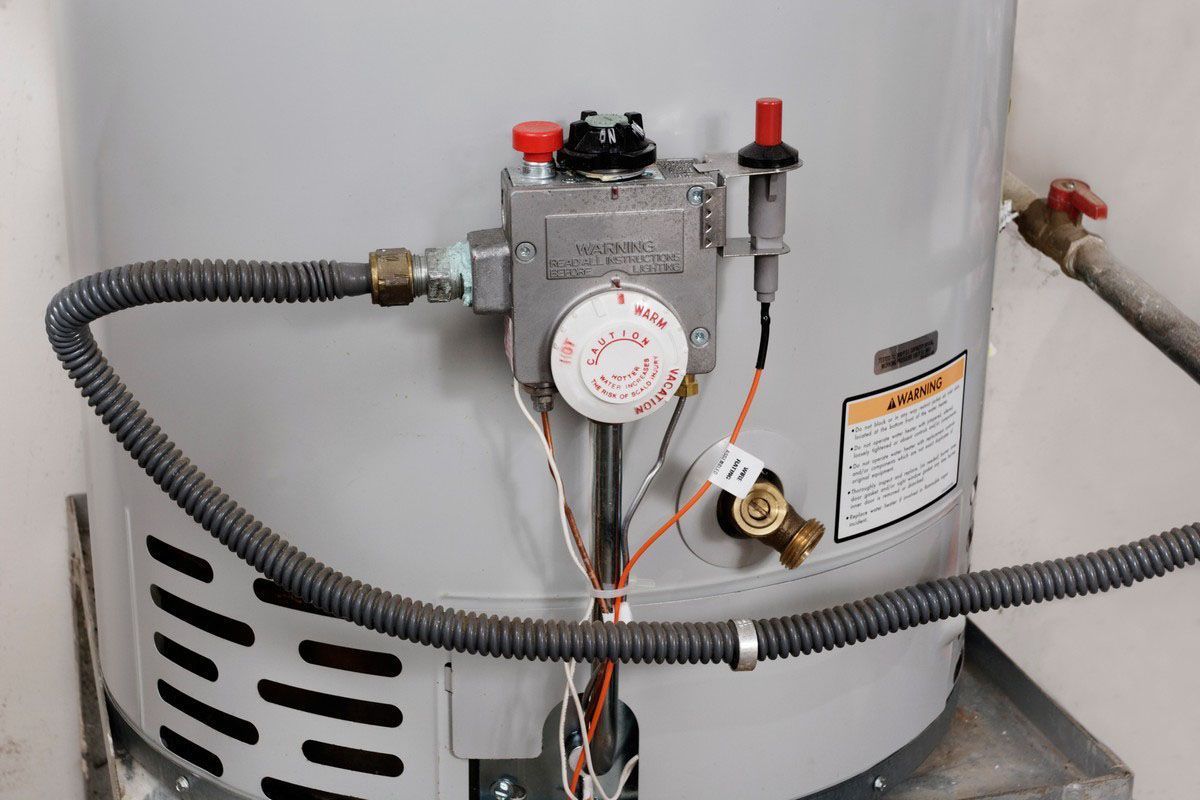
Water temperature depends on the proper operation of controls and heating components. Mineral buildup can affect equipment performance, but temperature changes can have many potential causes. A water heater that produces inconsistent temperatures should be evaluated by a qualified professional rather than diagnosed solely based on water hardness. Professional service can help determine whether mineral deposits are affecting temperature control or whether another issue is present.
According to The Spruce, the temperature setting for both thermostats on a water heater should be kept at no more than 120°F. Maintaining an appropriate temperature setting is relevant to both household comfort and safe water heater operation. Because water heaters and controls differ, homeowners should follow manufacturer information and professional guidance for their specific equipment. A technician can also evaluate whether temperature-related symptoms indicate a need for service.
Increasing Maintenance Needs
Hard water can increase the importance of professional attention for water heating equipment. Mineral accumulation does not occur at the same rate in every household, so service needs can vary according to water composition, usage, and equipment type. Regular professional evaluation can provide information about the condition of the system and whether mineral buildup is becoming a concern. This can help homeowners make informed decisions about maintenance.
Maintenance needs may become more apparent as a water heater ages. Older equipment can already have components affected by normal wear, while hard water may add another source of mineral accumulation. Professional inspections can help distinguish ordinary aging from problems that require attention. When a component has been affected by deposits or wear, water heater repair may help restore appropriate operation.
Protecting Long-Term Performance
A water heater represents an important part of a home's plumbing system because hot water is used for bathing, cleaning, washing dishes, and many other household activities. Mineral accumulation can interfere with the equipment's ability to provide hot water consistently. Paying attention to changes in performance can help homeowners seek professional evaluation before a minor concern develops into a larger operational problem. Timely service can also provide a clearer understanding of the equipment's current condition.
Hard water does not affect every water heater in exactly the same way. Some systems may experience noticeable mineral accumulation sooner than others, depending on their design and the characteristics of the home's water supply. Professional assessment is therefore more useful than assuming that every system requires the same treatment. When problems are identified, water heater repair can address affected components and help restore proper function when repair is appropriate.
At Airstream Plumbing & Heating, we provide professional plumbing and heating services for homeowners experiencing water heater concerns. Our team can evaluate your system, identify factors affecting its performance, and explain available service options based on the condition of your equipment. When mineral buildup or component deterioration has affected operation, we can determine whether
water heater repair is appropriate for your system. Contact Airstream Plumbing & Heating to schedule professional service and discuss your water heater needs with our team.
Share On: